US‑Iran escalation drags KSE‑100 below 175,000 as broad‑based sell‑off intensifies
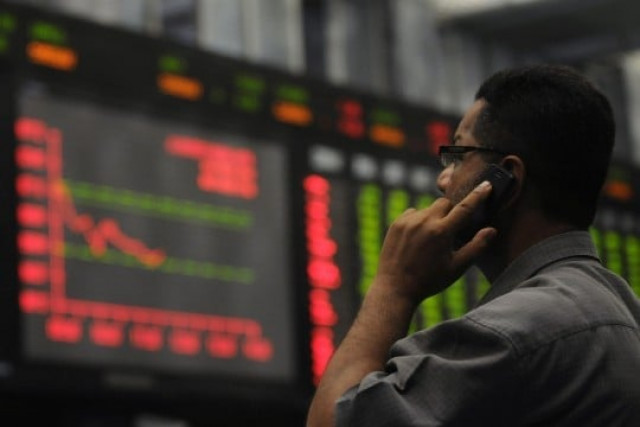
Heightened tensions between the United States and Iran sparked a sharp decline in the KSE‑100, wiping out about 1,690 points and pulling the index under the 175,000 mark.
Share
Desk Analysis
How This Affects the Exchange
Sector Effect
Negative · Do not buy
Broad‑based decline across most sectors signals heightened risk, so avoid buying until tensions ease.
Sectors & Direction
Desk read
Desk call: Do not buy · Negatively affected
- BanksNegatively affected
- Oil & GasNegatively affected
- CementNegatively affected
- SteelNegatively affected
- ConstructionNegatively affected
- PowerNegatively affected
Companies Mentioned
No listed ticker was flagged. Watch the sectors above for direction.
Mentions in This Briefing
Sectors: Banks, Oil & Gas, Cement, Steel, Construction, Power — Negative · Do not buy. Broad‑based decline across most sectors signals heightened risk, so avoid buying until tensions ease.
Full Story
Open on Express Tribune## Market Overview
The benchmark KSE‑100 index fell more than 1,690 points on the trading day, slipping below the 175,000 level for the first time in weeks. The decline was driven by a broad‑based sell‑off across most major sectors, reflecting investor anxiety over the latest escalation in US‑Iran relations.
## Drivers of the Sell‑Off
The market reaction was triggered by reports of renewed diplomatic and military friction between Washington and Tehran, including threats of further sanctions and possible disruption to oil shipments through the Strait of Hormuz. Analysts warned that any prolonged conflict could choke global oil supplies, push crude prices higher and increase foreign exchange volatility, all of which weigh heavily on Pakistan’s economy and its equity market.
## Sectoral Impact
All major sectors participated in the sell‑off. Banking stocks fell as concerns grew over capital inflows and the cost of foreign borrowing. Oil‑and‑gas shares were hit by the prospect of higher crude prices and potential supply chain disruptions. Cement, steel, and construction‑related companies also slipped, reflecting worries about rising input costs and a slowdown in infrastructure spending. The broader market sentiment turned risk‑averse, prompting investors to move into cash and safe‑haven assets.
## Outlook
Market participants will be closely watching diplomatic developments and any official statements from the State Bank of Pakistan or the Ministry of Finance regarding foreign exchange reserves and import bills. Until the geopolitical tension eases, volatility is expected to remain elevated.
## Analyst Commentary
Local analysts described the move as a “risk‑off” reaction, urging investors to stay cautious and consider defensive positions. They highlighted that while the sell‑off is sharp, it is largely driven by external geopolitical risk rather than domestic fundamentals.