Sbp profit falls 20% to Rs199 trillion in fy26 on lower earnings
Sbp profit falls 20% to Rs199 trillion in fy26 on lower earnings
Share
Desk Analysis
How This Affects the Exchange
Sector Effect
Neutral · Watch
Mixed or limited directional signal for Banks, Oil & Gas, Economy on the PSX.
Sectors & Direction
Desk read
Desk call: Watch · Neutral effect
- BanksNeutral effect
- Oil & GasNeutral effect
- EconomyNeutral effect
Companies
Mentions in This Briefing
Sectors: Banks, Oil & Gas, Economy — Neutral · Watch. PSX tickers: MEBL, MCB, UBL, HBL, BAHL, FABL. Mixed or limited directional signal for Banks, Oil & Gas, Economy on the PSX.
Full Story
Open on ProfitSbp profit falls 20% to Rs199 trillion in fy26 on lower earnings
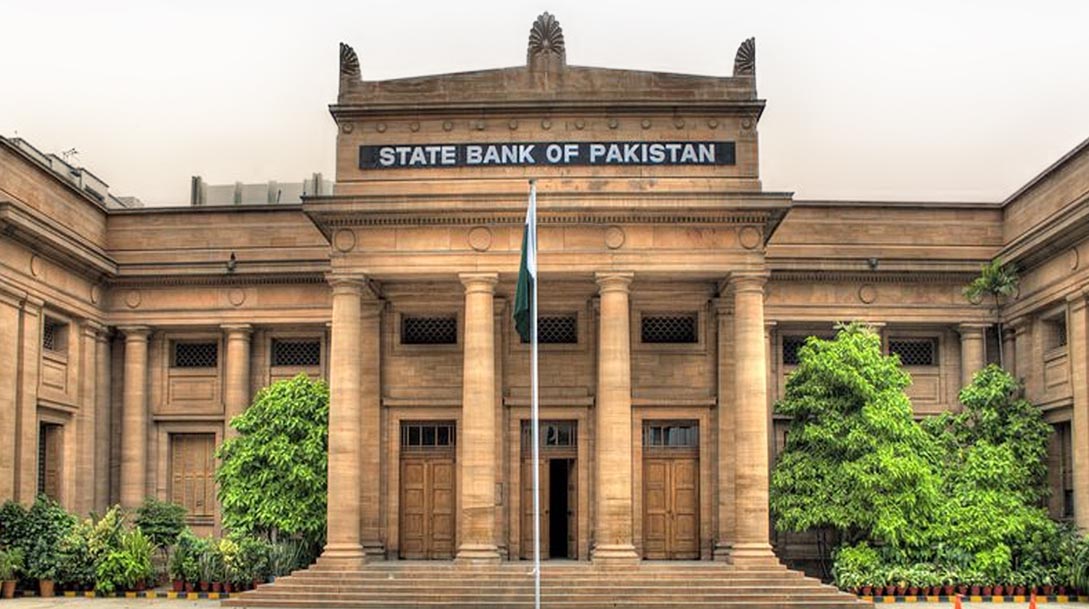
The State Bank of Pakistan’s (SBP) net profit declined 20% year-on-year to Rs1.99 trillion in FY26, down Rs506 billion from Rs2.499 trillion in FY25, mainly due to lower income from financial assets.
According to the SBP’s financial statements for the year ended June 30, 2026, released on Thursday, the central bank’s profit declined by Rs506 billion from Rs2.499 trillion in FY25. The SBP’s income from discount, interest, mark-up and profit earned on financial assets fell to Rs2.037 trillion in FY26 from Rs2.801 trillion a year earlier, a decline of Rs764 billion.
After accounting for appropriations under the applicable accounting and statutory requirements, the SBP transferred Rs1.932 trillion in surplus profit to the federal government. The remittance adds to the central bank’s role as a significant source of government non-tax revenue and helps reduce the need for additional domestic borrowing.