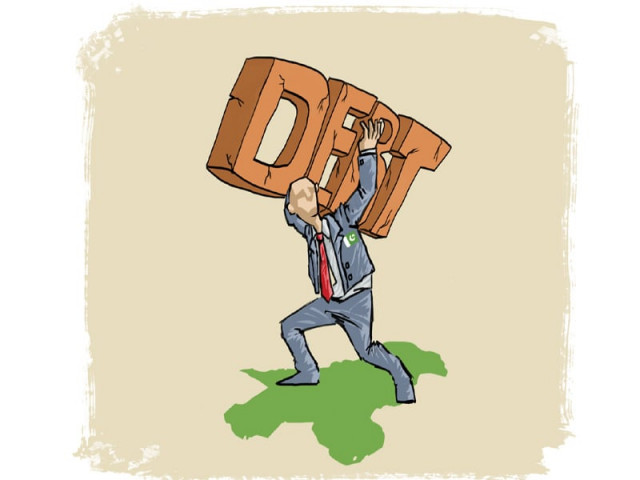
Rate Hikes May Deepen Pakistan's Debt Burden
Analysts warn that the State Bank of Pakistan's aggressive interest‑rate policy is increasing the cost of sovereign borrowing, potentially straining fiscal stability and market sentiment.
Share
Desk Analysis
How This Affects the Exchange
Sector Effect
Negative · Do not buy
Higher rates increase sovereign debt costs, pressuring Banks and overall market sentiment – Don't buy.
Sectors & Direction
Desk read
Desk call: Do not buy · Negatively affected
- BanksNegatively affected
- EconomyNegatively affected
- MarketsNegatively affected
Companies
Mentions in This Briefing
Sectors: Banks, Economy, Markets — Negative · Do not buy. PSX tickers: MEBL, MCB, UBL, HBL, BAHL, FABL. Higher rates increase sovereign debt costs, pressuring Banks and overall market sentiment – Don't buy.
Full Story
Open on Express Tribune## Background
The State Bank of Pakistan (SBP) has continued to raise policy rates in an effort to curb persistent inflation, which remains largely driven by supply‑side constraints. While higher rates aim to temper price pressures, they also raise the financing cost of existing and new government debt.
## Impact on Sovereign Debt
Higher benchmark rates reprice Pakistan's sovereign bonds, pushing yields up and widening the spread over risk‑free benchmarks. This makes it more expensive for the government to roll over maturing obligations and to raise fresh capital in the domestic market. Analysts note that the debt‑to‑GDP ratio, already above 80%, could accelerate if borrowing costs remain elevated.
## Fiscal Implications
The increased debt service burden may force the finance ministry to allocate a larger share of the budget to interest payments, leaving less room for development spending and social programs. This could dampen growth prospects and affect investor confidence in the broader economy.
## Market Reaction
Equity markets have shown sensitivity to the SBP’s tightening cycle, with banking stocks experiencing pressure due to higher funding costs and potential credit‑risk concerns. The broader PSX sentiment remains cautious as investors weigh the trade‑off between inflation control and fiscal sustainability.
## Outlook
If inflation remains entrenched and the SBP continues its rate‑hiking trajectory, the debt dynamics could worsen, prompting calls for structural reforms and fiscal consolidation. Conversely, any sign of easing inflationary pressures may allow the central bank to pause or reverse rate hikes, providing relief to sovereign debt markets.
## Analyst Viewpoint
Market participants are advised to monitor the SBP’s policy statements, fiscal budget revisions, and external financing arrangements closely, as these will shape the trajectory of Pakistan’s debt burden and overall market risk profile.