QatarEnergy Pursues Long‑Term U.S. LNG Contracts Through 2031 Amid Iranian Strikes
QatarEnergy is negotiating multi‑year LNG supply deals with U.S. producers to replace capacity lost after Iranian attacks on its Ras Laffan facility, signalling prolonged supply disruptions.
Share
Desk Analysis
How This Affects the Exchange
Sector Effect
Negative · Do not buy
Potential tighter global LNG supply may raise costs for Pakistan's Power and Oil & Gas sectors; avoid buying related exposure.
Sectors & Direction
Desk read
Desk call: Do not buy · Negatively affected
- PowerNegatively affected
- Oil & GasNegatively affected
Companies
Mentions in This Briefing
Sectors: Power, Oil & Gas — Negative · Do not buy. PSX tickers: OGDC, PPL, MARI, PSO, SNGP, ATRL. Potential tighter global LNG supply may raise costs for Pakistan's Power and Oil & Gas sectors; avoid buying related exposure.
Full Story
Open on ARY News## Background
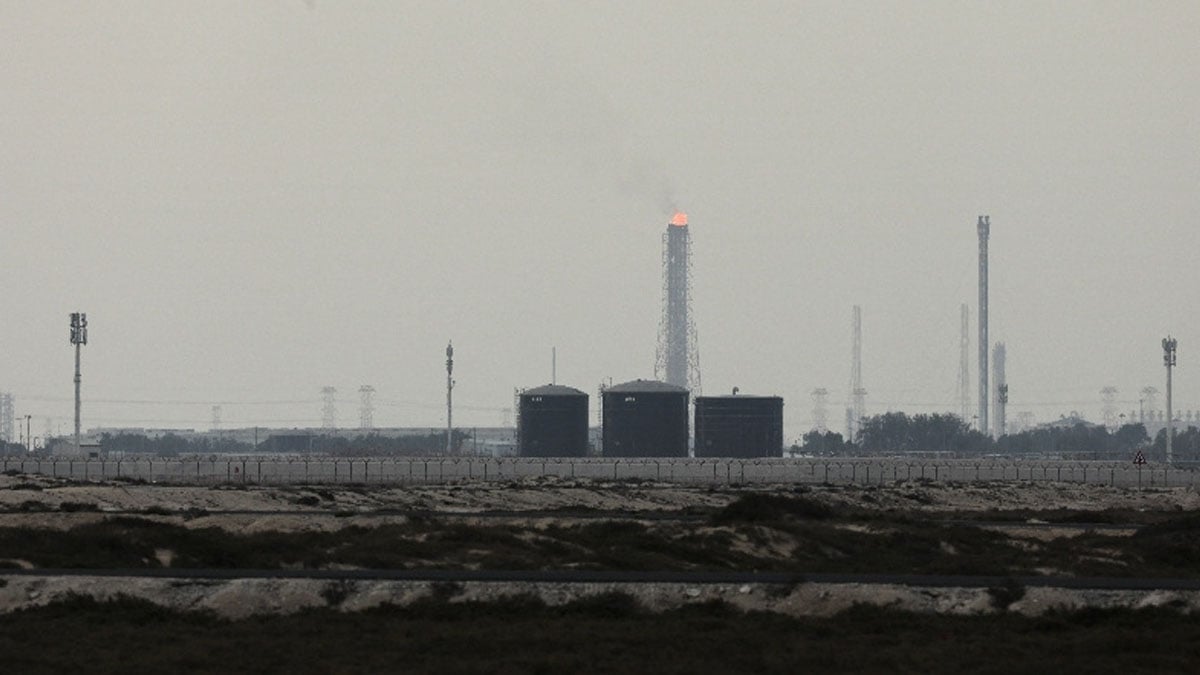
QatarEnergy, the state‑owned energy company of Qatar, is in talks with several U.S. LNG producers to secure long‑term contracts that would run until 2031. The negotiations aim to offset the loss of LNG output caused by Iranian strikes that damaged two of the 14 LNG trains and a gas‑to‑liquids (GTL) plant at the Ras Laffan Industrial City complex.
## Companies Involved
The sources name Venture Global, Cheniere and Woodside as the primary counterparties. Venture Global has about 10 million tonnes per annum (mtpa) of uncontracted capacity, while Cheniere and Woodside each have roughly 6 mtpa available. An additional 3 mtpa is offered by Sempra’s Port Arthur project, according to Rapidan Energy data.
## Scale of the Shortfall
QatarEnergy’s CEO Saad al‑Kaabi estimated that the damaged trains will remove roughly 12.8 million tonnes of LNG per year from the market for three to five years. The company has been issuing monthly force‑majeure notices, most recently extending them to November, as the Strait of Hormuz remains closed.
## Trading Strategy
QatarEnergy Trading, which manages about 10 mtpa of the group’s LNG portfolio, is looking to acquire 2‑3 mtpa on a long‑term basis. A source noted that the firm will “buy whatever they can get their hands on,” reflecting the urgency to fill the gap.
## Market Implications
Analysts say the move underscores Qatar’s concern that the disruption to the Strait of Hormuz could be protracted and that repairs to its infrastructure may take longer than initially expected. With roughly 80 % of Qatari LNG destined for Asian buyers, the loss is prompting many of those customers to explore alternative sources, potentially reshaping global LNG trade flows.
## Outlook
The negotiations are ongoing, and neither QatarEnergy nor the U.S. firms have commented publicly. If successful, the contracts could provide a measure of stability for Qatar’s export commitments but also tighten global LNG availability, influencing spot prices worldwide.