Pakistan's Weekly Inflation Rises by 0.65% to 8.35% Annual Rate
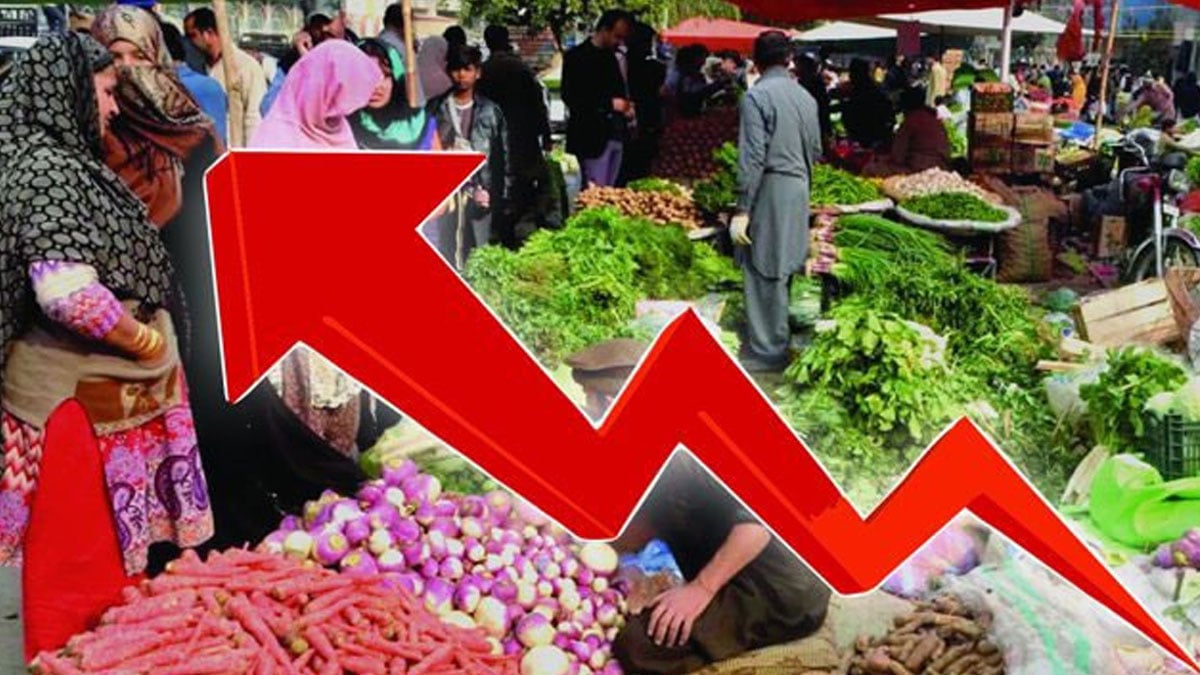
The Pakistan Bureau of Statistics reports a 0.65% weekly increase in inflation, taking the annual rate to 8.35%, driven by higher prices for onions, tomatoes and chicken.
Share
Desk Analysis
How This Affects the Exchange
Sector Effect
Negative · Do not buy
Rising inflation pressures banks and overall market sentiment negatively; avoid buying.
Sectors & Direction
Desk read
Desk call: Do not buy · Negatively affected
- BanksNegatively affected
- EconomyNegatively affected
- MarketsNegatively affected
Companies
Mentions in This Briefing
Sectors: Banks, Economy, Markets — Negative · Do not buy. PSX tickers: OGDC, PPL, MARI, PSO, SNGP, ATRL. Rising inflation pressures banks and overall market sentiment negatively; avoid buying.
Full Story
Open on ARY News## Weekly Inflation Figures
The latest weekly inflation report released by the Pakistan Bureau of Statistics shows that Pakistan's inflation rose by 0.65% over the past week, pushing the overall annual inflation rate to 8.35%.
## Price Movements
Seventeen essential items recorded price increases, while seven items fell in price. The sharpest rise was seen in onions, which jumped 26.30%, followed by tomatoes (+2.55%). Chicken prices rose 0.85%, mash pulse 0.67%, and garlic 0.18%.
Conversely, banana prices dropped 2.54%, moong pulse fell 0.69%, sugar decreased 0.18%, eggs slipped 0.11%, and LPG fell 0.45%. Prices of 27 items remained unchanged during the week.
## Government Commentary
Finance Minister Muhammad Aurangzeb reiterated optimism that a sustained US‑Iran peace and lower global oil prices could help curb inflation and support growth. He noted that the government has avoided fuel shortages and supply disruptions despite regional tensions.
The minister highlighted that earlier growth forecasts of 3.75‑4.75% have been revised down to about 3.7% due to prolonged regional conflicts. Rising import costs earlier in the year pushed inflation briefly into double‑digit territory, prompting the State Bank of Pakistan to keep the policy rate at a relatively high 11.5%.
## Outlook
The finance ministry’s projections for the next fiscal year target 4% economic growth and an inflation rate of 8.2%, factoring in potential risks from ongoing geopolitical tensions.
## Market Implications
Higher inflation pressures can erode consumer purchasing power and increase borrowing costs, which may weigh on bank profitability and overall market sentiment.