Pakistan’s New Auto Policy Approval Linked to IMF Consultations
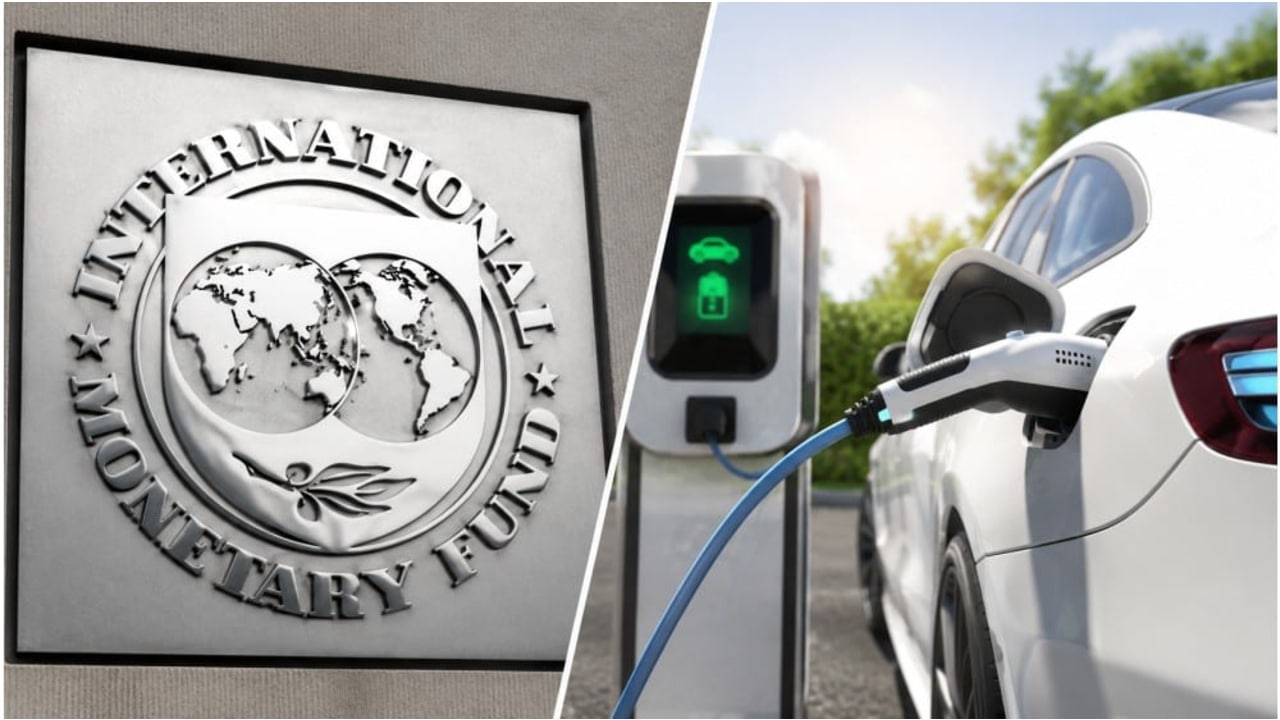
The finalization of the five‑year Auto Development and Export Policy (2026‑2031) is now contingent on discussions with the IMF, creating uncertainty for the automotive sector.
Share
Desk Analysis
How This Affects the Exchange
Sector Effect
Negative · Do not buy
Automobile sector faces policy uncertainty, leading to a negative outlook and advise to avoid new auto‑sector positions.
Sectors & Direction
Desk read
Desk call: Do not buy · Negatively affected
- AutomobileNegatively affected
Companies
Mentions in This Briefing
Sectors: Automobile — Negative · Do not buy. PSX tickers: LUCK, MLCF, DGKC, CHCC, KOHC, HUBC. Automobile sector faces policy uncertainty, leading to a negative outlook and advise to avoid new auto‑sector positions.
Full Story
Open on ProPakistani## Background
The Ministry of Industries and Production has prepared a draft for a new five‑year Auto Development and Export Policy covering 2026‑2031. The previous policy expired on 30 June 2026, leaving the sector without a regulatory framework.
## IMF Linkage
Sources indicate that the draft will only receive final approval after the International Monetary Fund completes its upcoming review mission in Pakistan. The IMF team is scheduled to arrive on 23 September, and the policy will be discussed as part of those talks. This conditional approval raises the risk of further postponement.
## Reasons for Delay
Initial expectations were for the policy to be released in July, later shifted to August. Disagreements over vehicle taxes, import tariffs, and incentive structures—particularly for electric and hybrid vehicles—have already slowed progress. The IMF’s involvement adds another layer of uncertainty.
## Potential Impact
Without a clear policy, manufacturers may delay investment decisions, and planned expansions in electric‑vehicle production could be stalled. The automotive sector is awaiting clarity on tax concessions and export incentives that are crucial for competitiveness.
## Outlook
Stakeholders will monitor the IMF review outcomes closely. A swift resolution could restore confidence, while prolonged negotiations may keep the sector in a holding pattern.