Pakistan’s EV Tax Incentives May Cost Treasury Rs 150 billion Annually
Experts warn that generous tax breaks for new‑energy vehicles could forfeit about Rs 150 billion each year, raising concerns over fiscal pressure despite potential gains for the auto industry.
Share
Desk Analysis
How This Affects the Exchange
Sector Effect
Negative · Do not buy
Large fiscal loss from EV tax breaks outweighs modest auto sector gains, so overall PSX risk is negative – avoid buying broadly.
Sectors & Direction
Desk read
Desk call: Do not buy · Negatively affected
- AutomobileNegatively affected
- EconomyNegatively affected
- MarketsNegatively affected
Companies
Mentions in This Briefing
Sectors: Automobile, Economy, Markets — Negative · Do not buy. PSX tickers: HUBC, KEL, KAPCO, INDU, HCAR, MTL. Large fiscal loss from EV tax breaks outweighs modest auto sector gains, so overall PSX risk is negative – avoid buying broadly.
Full Story
Open on ProPakistani## Government’s EV Tax Concessions
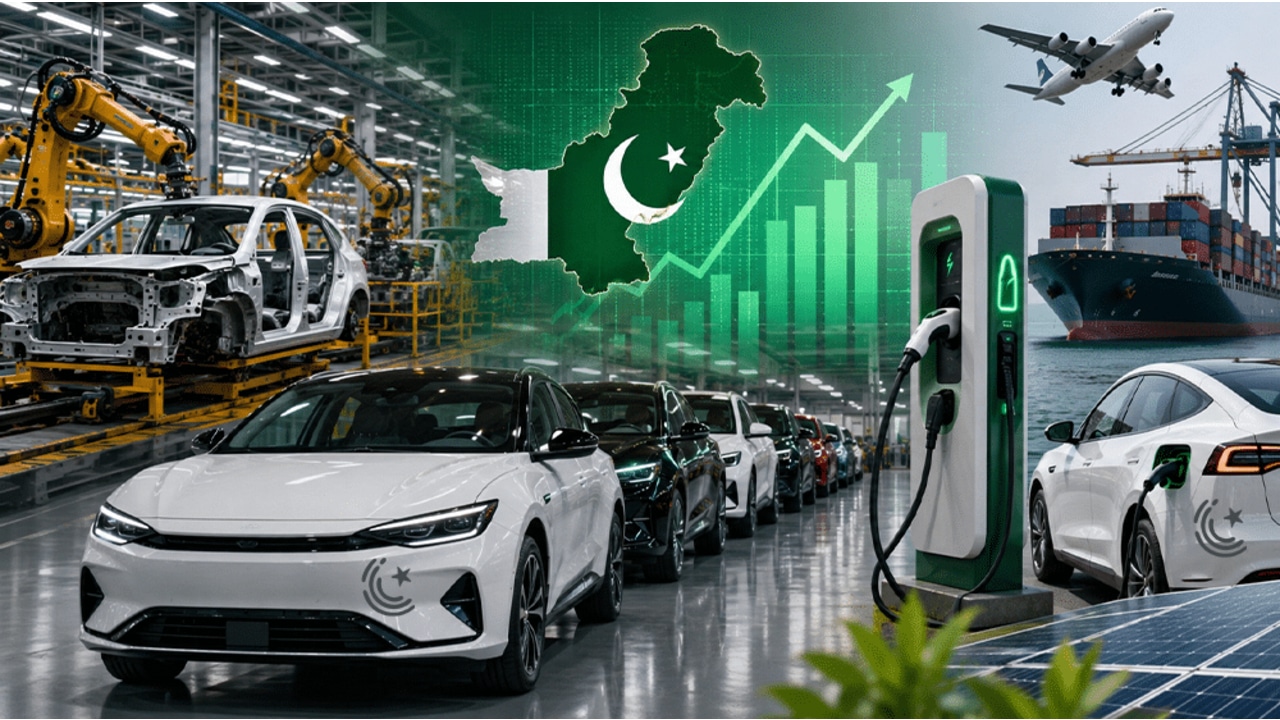
The federal government has introduced a flat 1 percent sales tax regime and other duty waivers for New Energy Vehicles (NEVs). Abdul Rehman, former chairperson of the Pakistan Association of Automotive Parts and Accessories Manufacturers, estimates that if annual NEV sales reach 50,000 units, the average concession of roughly Rs 3 million per vehicle would translate into a revenue loss of around Rs 150 billion per year.
## Scale of the Fiscal Impact
Rehman highlighted that the projected concession exceeds the Higher Education Commission’s FY 2025‑26 allocation of about Rs 35 billion by more than four times, underscoring the magnitude of the fiscal burden.
## Arguments for and Against the Incentives
While acknowledging that electric mobility can curb fuel imports, lower emissions, and nurture a domestic EV industry, Rehman questioned whether the current incentive design delivers the widest economic and social benefits. He suggested redirecting support toward electric buses, motorcycles, rickshaws, charging infrastructure, and local battery‑component production to broaden the impact beyond affluent private‑car buyers.
## Recommendations for Policy Design
Rehman urged the government to attach clear localisation, investment, and employment requirements to any EV incentives. He argued that without such conditions, the large fiscal outlay may not yield proportional industrial development or job creation.
## Market Implications
The automotive sector could see a modest uptick in demand for NEVs, but the broader market may feel pressure from the sizeable revenue shortfall, potentially affecting investor sentiment toward fiscal‑sensitive stocks.