Pakistan Receives No Bids for September LNG Tender
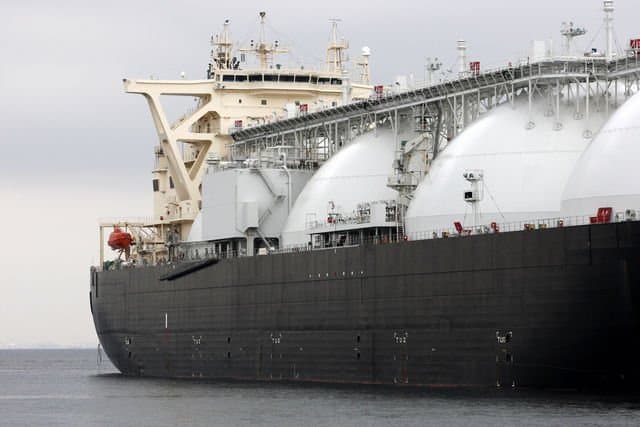
The government’s third attempt to secure a September LNG cargo failed as no international supplier submitted a bid, highlighting ongoing supply constraints and high spot prices.
Share
Desk Analysis
How This Affects the Exchange
Sector Effect
Negative · Do not buy
Power and Oil & Gas sectors face supply risk, so avoid related stocks.
Sectors & Direction
Desk read
Desk call: Do not buy · Negatively affected
- PowerNegatively affected
- Oil & GasNegatively affected
Companies
Mentions in This Briefing
Sectors: Power, Oil & Gas — Negative · Do not buy. PSX tickers: OGDC, SNGP. Power and Oil & Gas sectors face supply risk, so avoid related stocks.
Full Story
Open on ProPakistani## Background
Pakistan’s Ministry of Power and LNG (PLL) issued a tender on September 1 for a single LNG cargo to be delivered between September 12‑16. The deadline for bids was September 8, but the tender attracted zero offers.
## Recent Tender History
This is the third tender for September cargoes. Two earlier tenders were cancelled after the government rejected the submitted bids, deeming them too expensive – around $26.97 and $26.71 per MMBtu.
## Regional Supply Constraints
The shortage comes amid continued disruptions to LNG shipments through the Strait of Hormuz, which have kept regional supply tight and spot prices elevated. While a Qatari vessel, Al Marrouna, has finally crossed the strait for the first time since July and is expected to reach Port Qasim around September 10, the overall market remains strained.
## Implications for Pakistan
The failure to secure additional LNG cargoes adds pressure on the country’s power generation and gas‑fueled industries, which rely on imported LNG to meet electricity demand, especially during peak summer months. The government may need to explore alternative fuel arrangements or negotiate further with existing suppliers.
## Outlook
Analysts expect continued volatility in global LNG prices and potential further delays in shipments through the Hormuz corridor. Stakeholders are advised to monitor developments closely as they could affect energy costs and broader macro‑economic stability.