Pakistan LNG Limited launches tender for 140,000 m³ spot LNG cargo amid gas shortage and power outages
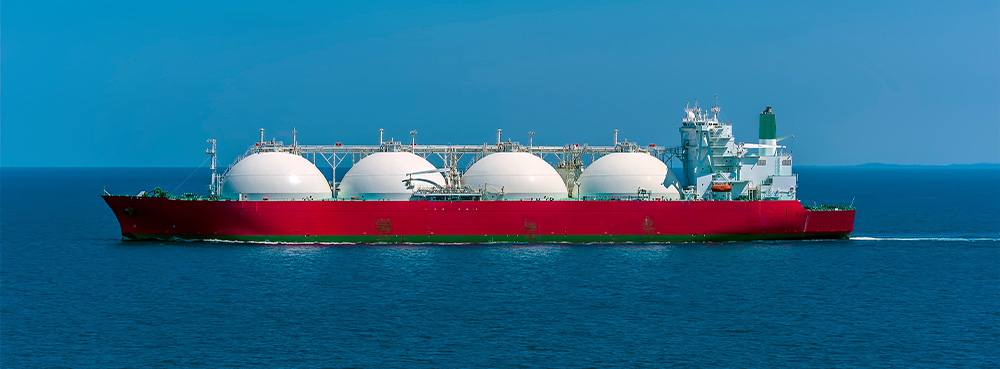
PLL issued a tender on Aug 30 for a 140,000 cubic‑metre LNG cargo to be delivered early September, as RLNG shortages continue to strain power generation and prolong electricity blackouts.
Share
Desk Analysis
How This Affects the Exchange
Sector Effect
Negative · Do not buy
Power sector faces continued outages due to RLNG shortage, so avoid related stocks.
Sectors & Direction
Desk read
Desk call: Do not buy · Negatively affected
- PowerNegatively affected
- Oil & GasNegatively affected
Companies
Companies Mentioned
- PLL· Negatively affected · Do not buy
Mentions in This Briefing
Sectors: Power, Oil & Gas — Negative · Do not buy. PSX tickers: PLL. Power sector faces continued outages due to RLNG shortage, so avoid related stocks.
Full Story
Open on Profit## Tender Announcement
Pakistan LNG Limited (PLL) announced a new spot‑LNG tender on 30 August 2026. The company is seeking bids for a cargo of 140,000 cubic metres of LNG, with a tolerance of ±5 percent.
## Delivery Details
The cargo is to be delivered on a Delivered Ex‑Ship (DES) basis at the Pakistan Gas Port Consortium Limited terminal in Port Qasim, Karachi. The delivery window is set between 4 September and 8 September 2026.
## Context and Rationale
The tender comes as the country grapples with a shortage of re‑gasified liquefied natural gas (RLNG). The deficit has hit power generation plants that rely on RLNG, extending the duration of electricity outages across the grid. By securing an additional LNG cargo, PLL aims to alleviate the immediate supply gap for power producers.
## Market Implications
The tender underscores the ongoing stress in Pakistan’s gas‑to‑power chain. While the immediate effect is a negative signal for the power sector, the procurement may benefit LNG‑focused firms and could provide a short‑term price support for imported gas.
## Outlook
Analysts will monitor whether the tender succeeds in stabilising RLNG supplies and mitigating further power disruptions. Continued shortages could keep pressure on power‑sector earnings and broader market sentiment.