KSE-100 drops 1,250 points as US‑Iran tensions flare
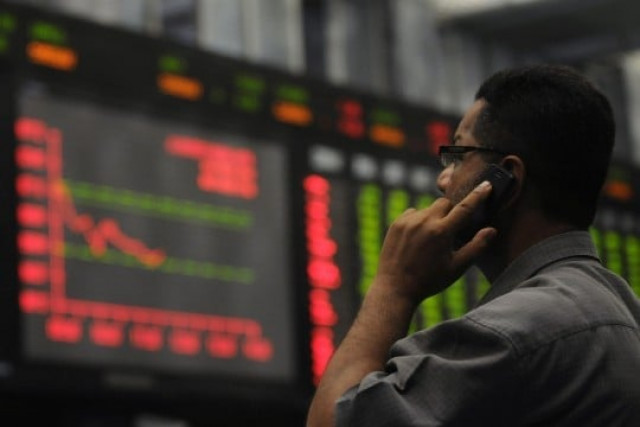
The benchmark KSE‑100 index fell sharply by about 1,250 points following renewed escalation between the United States and Iran, with selling concentrated in automobiles, cement, banks, oil‑and‑gas explorers and power generators.
Share
Desk Analysis
How This Affects the Exchange
Sector Effect
Negative · Do not buy
Automobile, Cement, Banks, Oil & Gas, Power sectors face negative pressure; avoid buying.
Sectors & Direction
Desk read
Desk call: Do not buy · Negatively affected
- AutomobileNegatively affected
- CementNegatively affected
- BanksNegatively affected
- Oil & GasNegatively affected
- PowerNegatively affected
Companies
Mentions in This Briefing
Sectors: Automobile, Cement, Banks, Oil & Gas, Power — Negative · Do not buy. PSX tickers: MEBL, MCB, UBL, HBL, BAHL, FABL. Automobile, Cement, Banks, Oil & Gas, Power sectors face negative pressure; avoid buying.
Full Story
Open on Express Tribune## Market Reaction
The KSE‑100 index opened lower and quickly shed roughly 1,250 points, reflecting heightened risk aversion after fresh diplomatic and military tensions between the United States and Iran. Traders cited concerns over potential disruptions to oil supplies and broader geopolitical instability.
## Sectoral Impact
Selling pressure was most evident in: - Automobile manufacturers, where investors feared reduced consumer confidence and higher input costs. - Cement producers, as construction activity could be delayed by higher financing costs. - Commercial banks, which are sensitive to currency volatility and credit risk. - Exploration and production companies in the oil‑and‑gas segment, given the threat of supply shocks and price volatility. - Power generation firms, which may face higher fuel costs and regulatory uncertainty.
## Outlook
Analysts expect the index to remain volatile until diplomatic channels show signs of de‑escalation. The broader market sentiment is cautious, with investors monitoring any further developments that could affect oil prices, the Pakistani rupee, and risk‑on sentiment.
## Quotes
Market participants noted that “the renewed US‑Iran friction is a clear red flag for risk‑averse investors, especially those with exposure to sectors tied closely to economic growth and energy costs.”