Iranian Rial Weakens Further Against PKR and USD
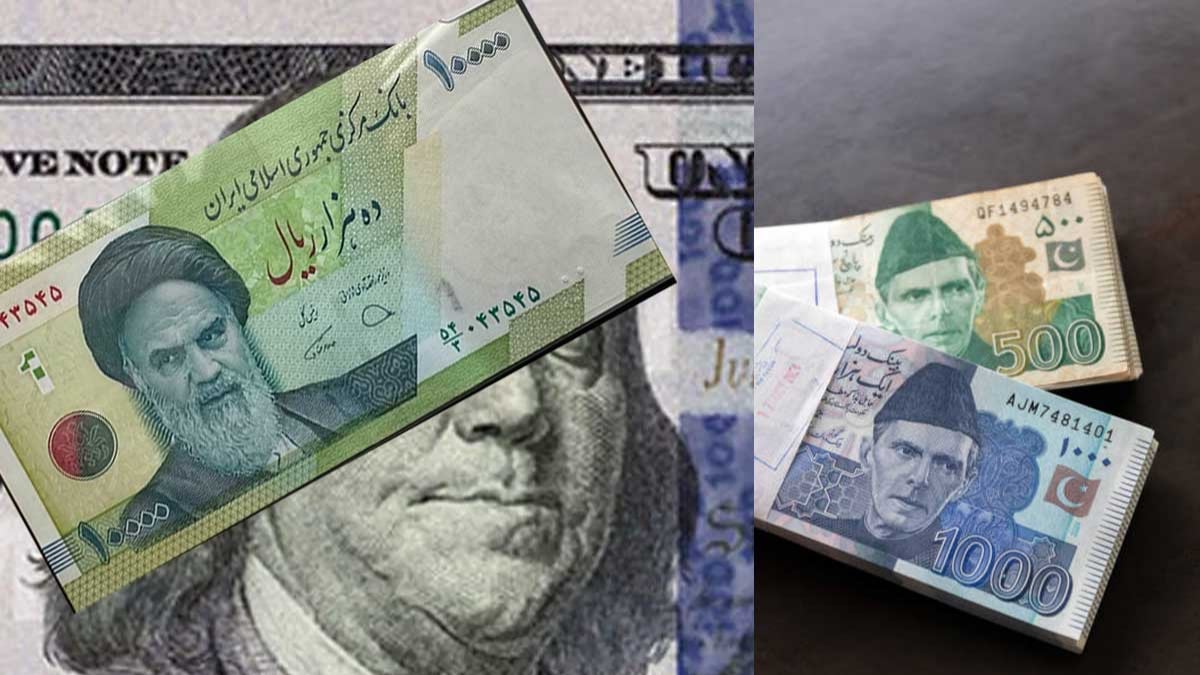
The Central Bank of Iran reported a further depreciation of the rial versus the Pakistani rupee and US dollar on September 15, while oil prices rose on geopolitical tensions in the Gulf.
Share
Desk Analysis
How This Affects the Exchange
Sector Effect
Negative · Do not buy
Weaker rial and rising oil prices raise import‑cost risk for Oil & Gas sector; avoid buying related stocks.
Sectors & Direction
Desk read
Desk call: Do not buy · Negatively affected
- Oil & GasNegatively affected
Companies
Mentions in This Briefing
Sectors: Oil & Gas — Negative · Do not buy. PSX tickers: MEBL, MCB, UBL, HBL, BAHL, FABL. Weaker rial and rising oil prices raise import‑cost risk for Oil & Gas sector; avoid buying related stocks.
Full Story
Open on ARY News## Exchange Rate Movements
The Central Bank of Iran (CBI) released its official rates for September 15, showing the Iranian rial slipping further against both the US dollar and the Pakistani rupee. The official dollar rate rose to 1,648,883 rials, up from 1,643,951 rials the previous day. Against the Pakistani rupee, 100 PKR were quoted at 594,753 rials, compared with 592,773 rials on September 14, implying an official rate of roughly 5,947.53 rials per PKR.
## Broader Currency Landscape
The CBI’s update also listed mixed movements for other major currencies. The euro fell slightly to 1,904,297 rials, while the British pound and UAE dirham were quoted at 2,224,822 rials and 448,981 rials respectively. In total, 32 currencies appreciated and 13 depreciated against the rial since the prior session.
## Black‑Market Gap
On the parallel black market, the rial remained markedly weaker. Trend News Agency reported that the US dollar was trading between 2.29 million and 2.32 million rials, and the euro around 2.65 million to 2.68 million rials, underscoring a substantial divergence from the official rates.
## Oil Market Context
The currency slide coincided with a rise in global oil prices. Brent crude futures climbed $1.37 (1.3%) to $107.05 per barrel, and US West Texas Intermediate rose $1.53 (1.51%) to $102.92 per barrel. The upward pressure stemmed from ongoing supply‑disruption concerns after attacks on Saudi Arabia’s East‑West pipeline and fresh Houthi strikes in the Gulf, which have heightened fears of broader regional conflict.
## Implications for Pakistan
The weakening rial may affect Pakistan’s import bill for oil and related products, potentially adding pressure on the Pakistani rupee and inflation. Investors should monitor how these currency dynamics interact with oil price movements and regional geopolitical developments.