Iran Parliament Speaker Calls for Reduced Petrol Use Amid US Blockade
Iran’s parliament speaker urged citizens to curb gasoline consumption as US naval blockades and sanctions limit fuel imports, raising concerns over regional oil supply.
Share
Desk Analysis
How This Affects the Exchange
Sector Effect
Positive · Buy bias
Higher oil prices may boost Oil & Gas sector earnings, creating a Buy bias for related tickers.
Sectors & Direction
Desk read
Desk call: Buy bias · Positively affected
- Oil & GasPositively affected
Companies
Mentions in This Briefing
Sectors: Oil & Gas — Positive · Buy bias. PSX tickers: OGDC, PPL, HPL. Higher oil prices may boost Oil & Gas sector earnings, creating a Buy bias for related tickers.
Full Story
Open on ARY News## Iranian Official Calls for Fuel Conservation
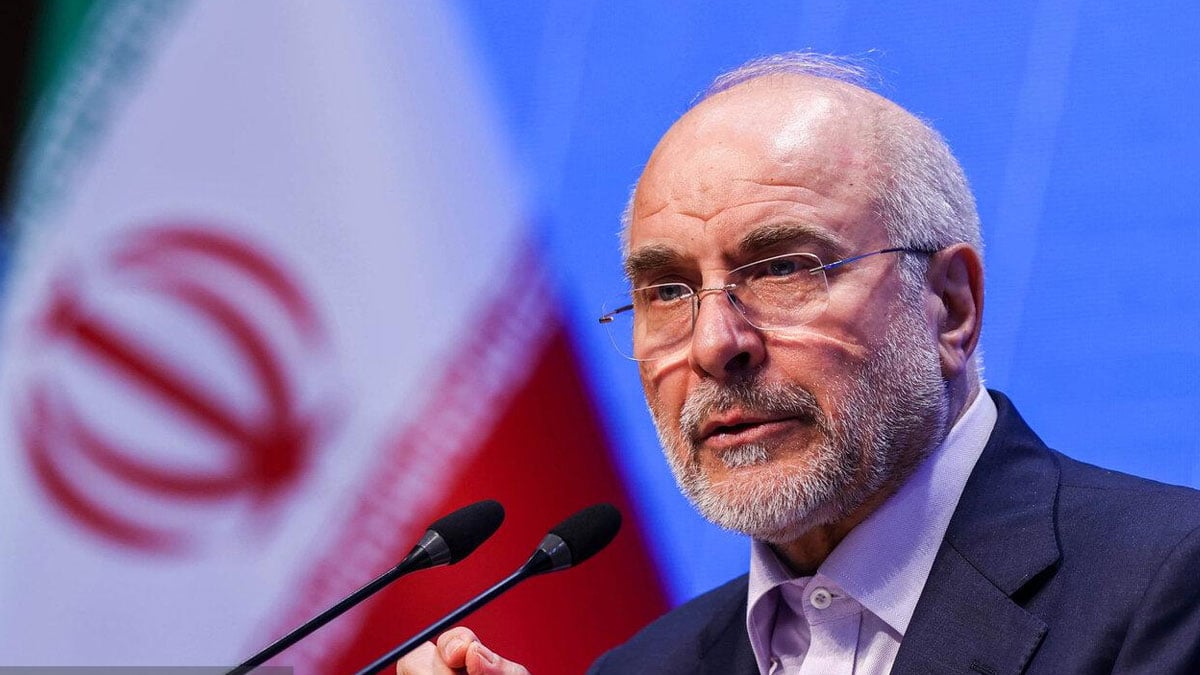
Iranian Parliament Speaker Mohammad Bagher Ghalibaf appealed to the public on Tuesday to limit gasoline usage, citing the country’s inability to import sufficient fuel due to a U.S. naval blockade of Iranian ports.
## Reasons Behind the Shortage
Ghalibaf blamed both domestic industry inefficiencies and external pressure, noting that the United States imposed the blockade in retaliation for Tehran’s closure of the Strait of Hormuz – a critical artery for global oil and gas shipments. Recent U.S. sanctions have further isolated Iran’s economy, exacerbating the fuel deficit.
## On‑ground Impact
Long queues have formed at Tehran’s petrol stations, and Vice President Mohammad Jafar Ghaempanah confirmed that domestic production is inadequate to meet demand. The president’s chief of staff has indicated that fuel quotas will be reviewed.
## Government Response
The speaker announced plans to expand subsidies, particularly through an electronic food‑subsidy programme aimed at low‑income households. He emphasized that collective wisdom and public cooperation are essential to manage the limited gasoline supply.
## Regional Implications
Disruptions in Iranian fuel supply could tighten global oil markets, especially given the strategic importance of the Strait of Hormuz for Gulf oil exports. Any sustained reduction in Iranian oil output or export capacity may lift crude prices, influencing regional energy stocks.
## Outlook
While Iran seeks to mitigate domestic pressure through subsidies and consumption cuts, the broader geopolitical tension between the U.S. and Iran remains a key risk factor for oil markets.